
March 2026
The York Region real estate market in March 2026 continues to reflect a period of price normalization, where values have adjusted from previous highs while underlying demand remains structurally strong. As one of the most sought-after suburban regions within the Greater Toronto Area, York Region continues to be shaped by a combination of affordability pressures, commuter demand, and limited land availability.
The average home price in York Region is approximately $1,137,426, reflecting a year-over-year decline of about 6.3%. This adjustment is largely influenced by higher borrowing costs and reduced buyer leverage compared to previous years. Despite this, York Region remains one of the higher-priced suburban markets, supported by strong school districts, transit connectivity, and established residential communities.
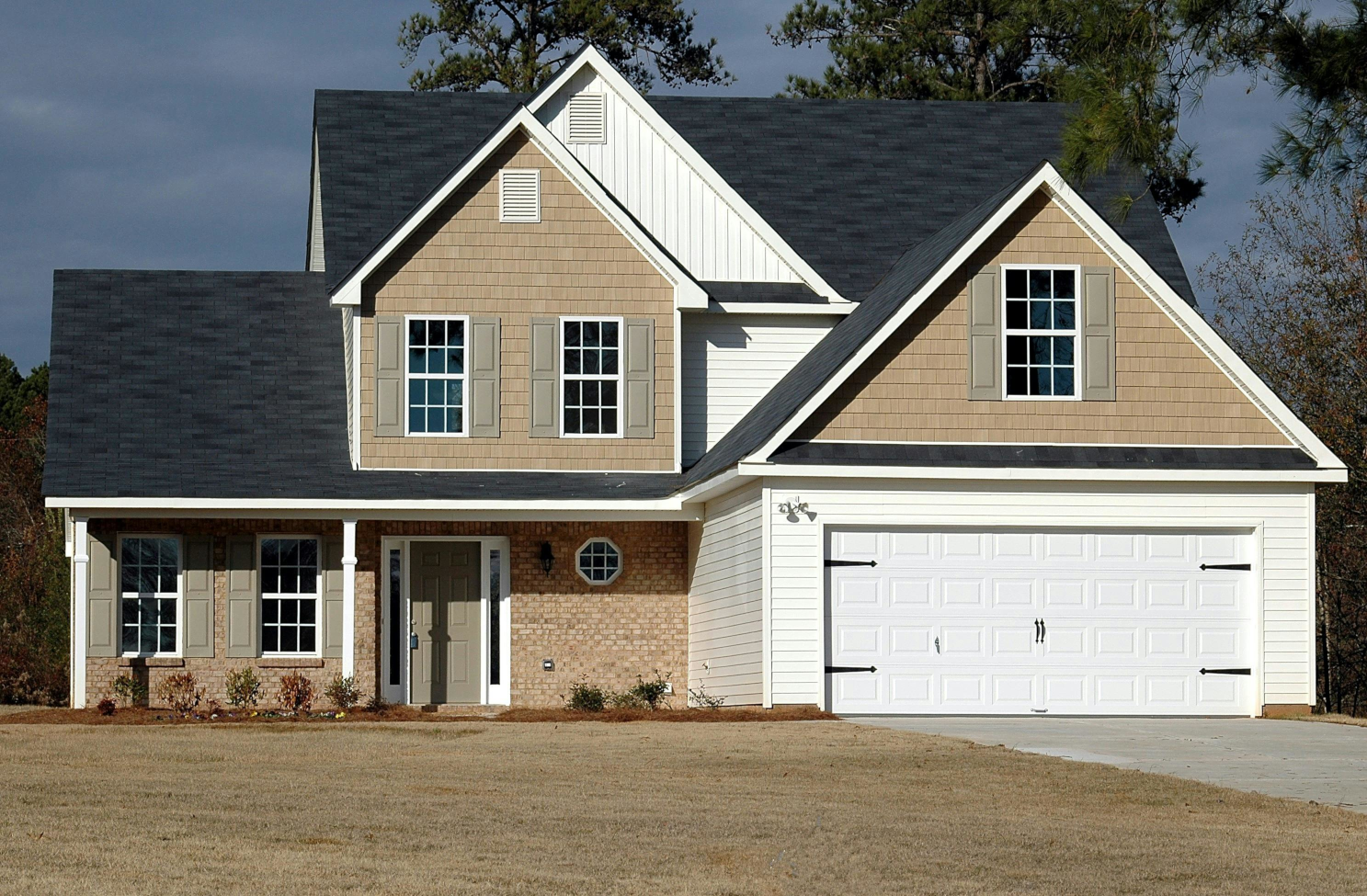
Detached homes remain the dominant housing type in the region, with average prices around $1,520,000 in March 2026, down from approximately $1,620,000 in March 2025. This decline of roughly $100,000 reflects reduced competition at the upper end of the market, where affordability constraints have had the most pronounced effect. Semi-detached homes average about $1,150,000 compared to $1,220,000 last year, while townhouses remain comparatively resilient at approximately $980,000 versus $1,050,000 in 2025. Condominiums continue to provide the most accessible entry point, averaging $835,985, with relatively stable demand driven by first-time buyers and downsizers.
From a policy and financing perspective, York Region is directly impacted by national interest rate conditions. The Bank of Canada’s sustained higher-rate environment continues to influence affordability, particularly in single-family housing segments. While expectations of gradual rate easing are emerging, current mortgage stress test requirements continue to limit borrowing capacity, leading to more conservative purchasing behaviour.
Government housing policy also plays a role in shaping regional dynamics. Federal affordability measures, including housing-related credits and potential GST/HST relief on new construction, are designed to support entry-level buyers. In York Region, however, the immediate impact remains moderate due to the dominance of resale housing and limited short-term supply additions.
Inventory levels have improved compared to previous years, giving buyers more negotiating power. Homes are spending slightly longer on the market, with average days on market estimated around 30 days. This reflects a shift away from highly competitive bidding environments toward more balanced negotiations, including conditional offers and price adjustments.
Consumer behaviour in York Region has become increasingly value-driven. Buyers are prioritizing long-term affordability, commute efficiency, and property condition over rapid appreciation potential. Townhomes and condos are seeing increased interest as buyers adjust expectations in response to financing constraints, while detached home buyers are becoming more selective, often requiring longer decision timelines.
Overall, York Region in March 2026 represents a stabilizing market with moderated pricing, improved inventory, and more disciplined buyer activity. While short-term adjustments reflect affordability pressures, long-term fundamentals remain strong due to sustained population growth and ongoing demand for suburban housing.
Sources:
Bank of Canada interest rate announcements (2025–2026 policy updates)
Ontario Ministry of Finance housing policy updates
TRREB Market Watch Reports (March 2026 summary data)
CREA National Housing Statistics (2026)
 The York Region real estate market in March 2026 continues to reflect a period of price normalization, where values have adjusted from previous highs while underlying demand remains structurally strong. As one of the most sought-after suburban regions within the Greater Toronto Area, York Region continues to be shaped by a combination of affordability pressures, commuter demand, and limited land availability.