
March 2026
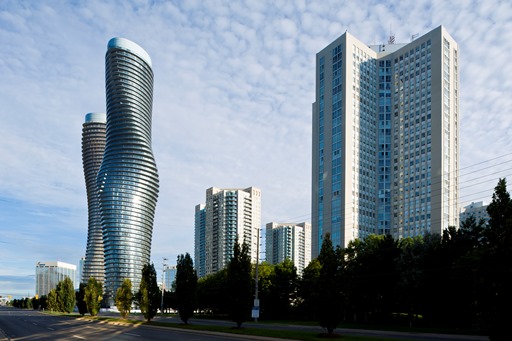 The Peel Region real estate market in March 2026 reflects a continued adjustment phase, where pricing corrections are creating improved accessibility for buyers while overall demand remains steady. As one of the most densely populated and immigration-driven regions in the Greater Toronto Area, Peel continues to be influenced by affordability pressures, rental demand strength, and shifting buyer expectations.
The average home price in Peel Region is approximately $1,008,968, representing a year-over-year decline of about 7.2%. This moderation is primarily driven by higher borrowing costs and reduced purchasing power, particularly among move-up buyers. Despite the decline, Peel remains a core housing destination due to its proximity to Toronto, strong transit infrastructure, and relatively more affordable pricing compared to the City of Toronto and York Region.
Detached homes in Peel average around $1,300,000 in March 2026, down from approximately $1,400,000 in March 2025. Semi-detached properties average about $1,020,000 compared to $1,090,000 last year, while townhouses sit around $900,000 versus $970,000 previously. Condominiums remain the most accessible entry point at approximately $680,000, down from about $725,000 in 2025. This segment continues to attract first-time buyers and investors, particularly those focused on rental income potential.
A key driver influencing the Peel market is the Bank of Canada’s interest rate environment. Elevated borrowing costs continue to impact affordability, especially for detached and semi-detached housing. Mortgage stress testing requirements further reduce borrowing capacity, prompting buyers to reassess budget expectations and prioritize lower-priced housing options such as townhomes and condos.
Government policy initiatives also play an important role in shaping market conditions. Federal affordability programs, including housing credits and discussions around GST/HST relief on new homes, aim to reduce entry barriers for buyers. In Peel Region, these measures are particularly relevant given the strong presence of first-time buyers and immigrant households entering the housing market.
On the supply side, inventory levels have increased compared to previous years, leading to more balanced market conditions. Homes are spending slightly longer on the market, with average days on market estimated around 32 days. This shift has reduced competitive bidding pressure, allowing buyers more time for due diligence and negotiation.
Consumer behaviour in Peel Region has become increasingly cautious and value-oriented. Buyers are prioritizing affordability, transit access, and long-term livability over short-term appreciation. Townhouses and condominiums continue to dominate demand due to their relative affordability, while detached homes are experiencing more selective demand driven by higher-income households.
Investor activity remains present but more disciplined, with a stronger focus on rental yield and cash flow rather than speculative appreciation. The condominium market, in particular, continues to benefit from rental demand supported by population growth and immigration trends.
Overall, the Peel Region market in March 2026 reflects a healthier balance between supply and demand. While prices have adjusted downward, underlying demand fundamentals remain strong, particularly in the rental and entry-level housing segments.
Sources:
TRREB Market Watch Reports (March 2026)
Bank of Canada Monetary Policy Updates (2025–2026)
Ontario Housing Supply Action Plan Updates
Canada Mortgage and Housing Corporation (CMHC) Housing Data
 The Peel Region real estate market in March 2026 reflects a continued adjustment phase, where pricing corrections are creating improved accessibility for buyers while overall demand remains steady. As one of the most densely populated and immigration-driven regions in the Greater Toronto Area, Peel continues to be influenced by affordability pressures, rental demand strength, and shifting buyer expectations.