
March 2026
 The Durham Region real estate market in March 2026 continues to demonstrate a cooling yet stable trend, with price adjustments creating improved affordability for buyers while maintaining steady underlying demand. As one of the more affordable regions within the Greater Toronto Area, Durham has historically attracted first-time buyers and move-up households seeking larger homes at comparatively lower price points.
The average home price in Durham Region stands at approximately $835,985 in March 2026, reflecting a year-over-year decline of about 8.3%. This represents one of the more pronounced corrections within the GTA, driven primarily by higher borrowing costs and reduced mortgage affordability. Despite this adjustment, Durham remains a key destination for buyers priced out of Toronto, York, and Peel regions.
Detached homes in Durham average around $1,050,000, down from approximately $1,130,000 in March 2025. Semi-detached homes are priced at about $820,000 compared to $880,000 last year, while townhouses average $780,000 versus $840,000 previously. Condominiums remain the most accessible entry point at approximately $610,000, down from around $650,000 in 2025. This segment continues to attract first-time buyers and downsizers seeking lower-cost ownership options.
The Bank of Canada’s sustained higher interest rate environment continues to be the most significant external factor influencing the Durham market. Elevated borrowing costs have reduced purchasing power across all property types, with detached homes experiencing the greatest impact due to higher absolute price levels. Mortgage qualification stress tests further limit affordability, reinforcing a shift toward more budget-conscious purchasing behaviour.
Government housing policy continues to indirectly support demand stability. Federal affordability initiatives, including discussions around GST/HST relief on new housing, are aimed at reducing entry costs for buyers. However, in Durham, the impact is more gradual due to the predominance of resale housing and slower turnover in new construction supply.
Inventory levels have increased compared to previous years, contributing to more balanced market conditions. Properties are spending longer on the market, with average days on market estimated at approximately 29 days. This has reduced urgency among buyers and diminished the prevalence of multiple-offer scenarios, particularly in suburban segments.
Consumer behaviour in Durham Region has shifted notably toward affordability-driven decision-making. Buyers are prioritizing value, space, and long-term livability over short-term appreciation. Townhouses and condominiums are seeing increased demand as entry-level affordability becomes a primary constraint. Detached home buyers are becoming more selective, often requiring longer decision timelines and greater emphasis on negotiation.
Investor participation remains present but more conservative, with a stronger focus on rental yield and long-term stability rather than rapid price growth. Rental demand continues to support the condominium and townhouse segments, particularly in areas with commuter access to Toronto.
Overall, the Durham Region market in March 2026 reflects a transitional phase toward equilibrium. While prices have adjusted downward, the region continues to offer strong long-term appeal due to affordability advantages and sustained population growth.
Sources:
TRREB Market Watch Report (March 2026)
Bank of Canada Interest Rate Policy Updates (2025–2026)
CMHC Housing Market Insights
Ontario Housing Supply Action Plan Updates
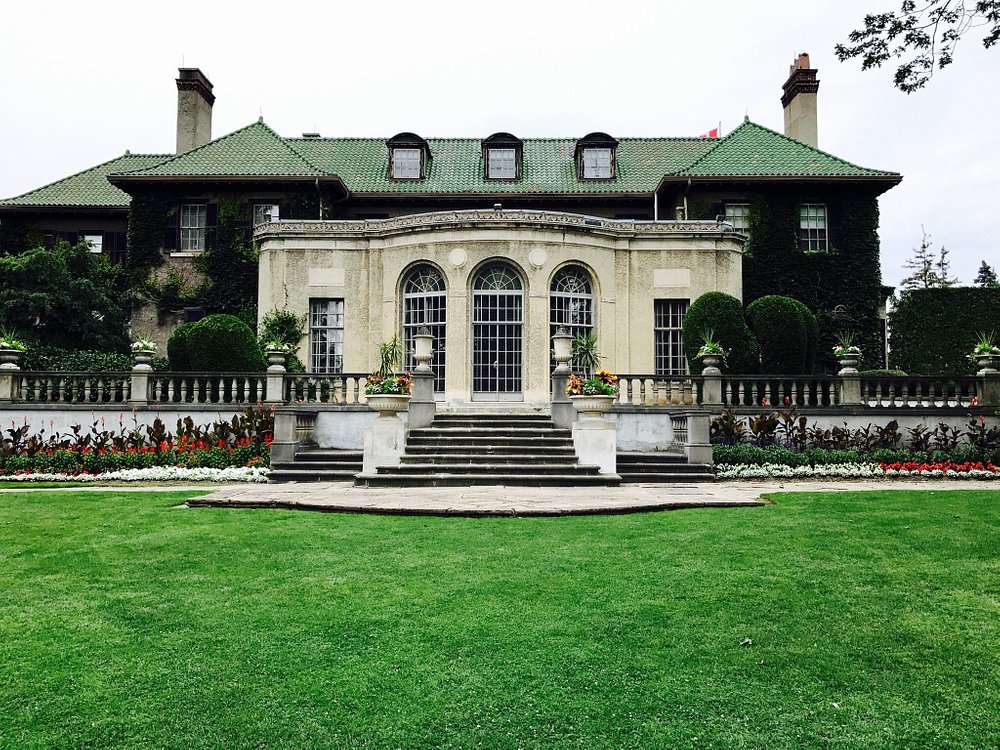 The Durham Region real estate market in March 2026 continues to demonstrate a cooling yet stable trend, with price adjustments creating improved affordability for buyers while maintaining steady underlying demand. As one of the more affordable regions within the Greater Toronto Area, Durham has historically attracted first-time buyers and move-up households seeking larger homes at comparatively lower price points.